Appearance
API Gateways and Contracts
API Gateways and Contracts Graphics Coverage
Primary chapter graphic: API Gateway Request Policy Flow, API Design Control Surface, API Development Learning Map, REST API Design Practices, API Security Control Checklist, API Development Learning Map, API Performance Control Flow, MCP and API Integration Difference, API and SDK Usage Boundary, Good API Design Principles, REST API Constraint Map. Accepted graphics: 11. Reviewed non-signal pages: 7. Open graphics in review: 0. QA status lives in graphics audit and visual review ledger.
Corpus pages: p. 10-11, p. 16-17, p. 31, p. 65-66, p. 71, p. 73, p. 76, p. 114, p. 116, p. 135, p. 143-144, p. 168-169, p. 191, p. 232, p. 234-235, p. 238, p. 259, p. 270-271, p. 332-333, p. 339-340, p. 361, p. 376, p. 380-381, p. 403, p. 411-412 Coverage: 36 pages; low-confidence extraction ranges: p. 10-11, p. 16-17, p. 361, p. 376, p. 380-381
This chapter is part of Marius's owned architecture build corpus. The text routes decisions; durable implementation signal is carried by accepted graphics, reviewed non-signal decisions, and the linked QA audit.
Chapter Visuals
Accepted graphics carry the canonical design signal for this chapter. Each selected source page is either accepted as a graphic or explicitly marked non-signal in the source-faithful ledger. Review and QA state live in visual inventory, visual review ledger, and graphics audit.
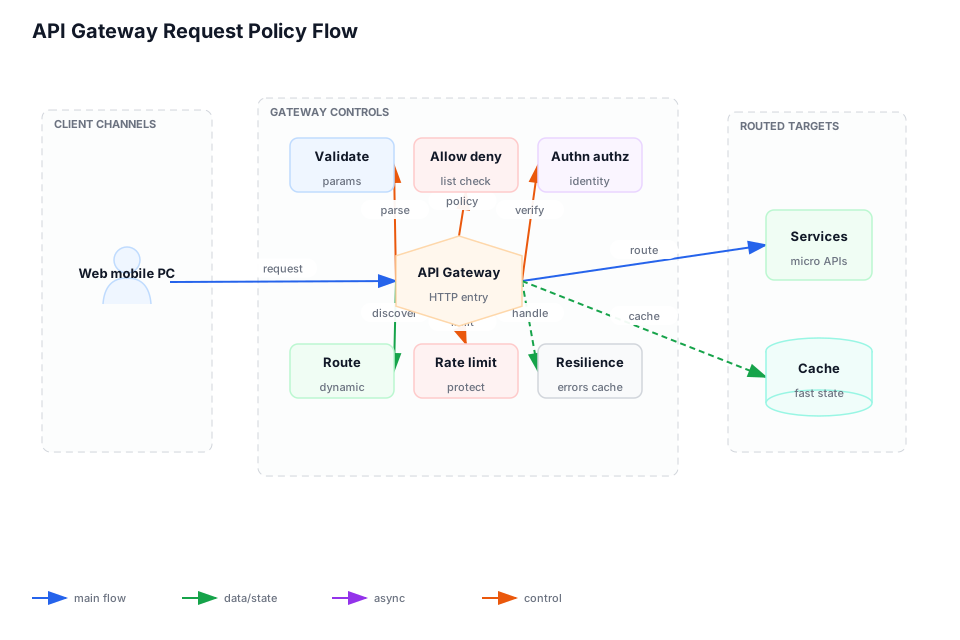
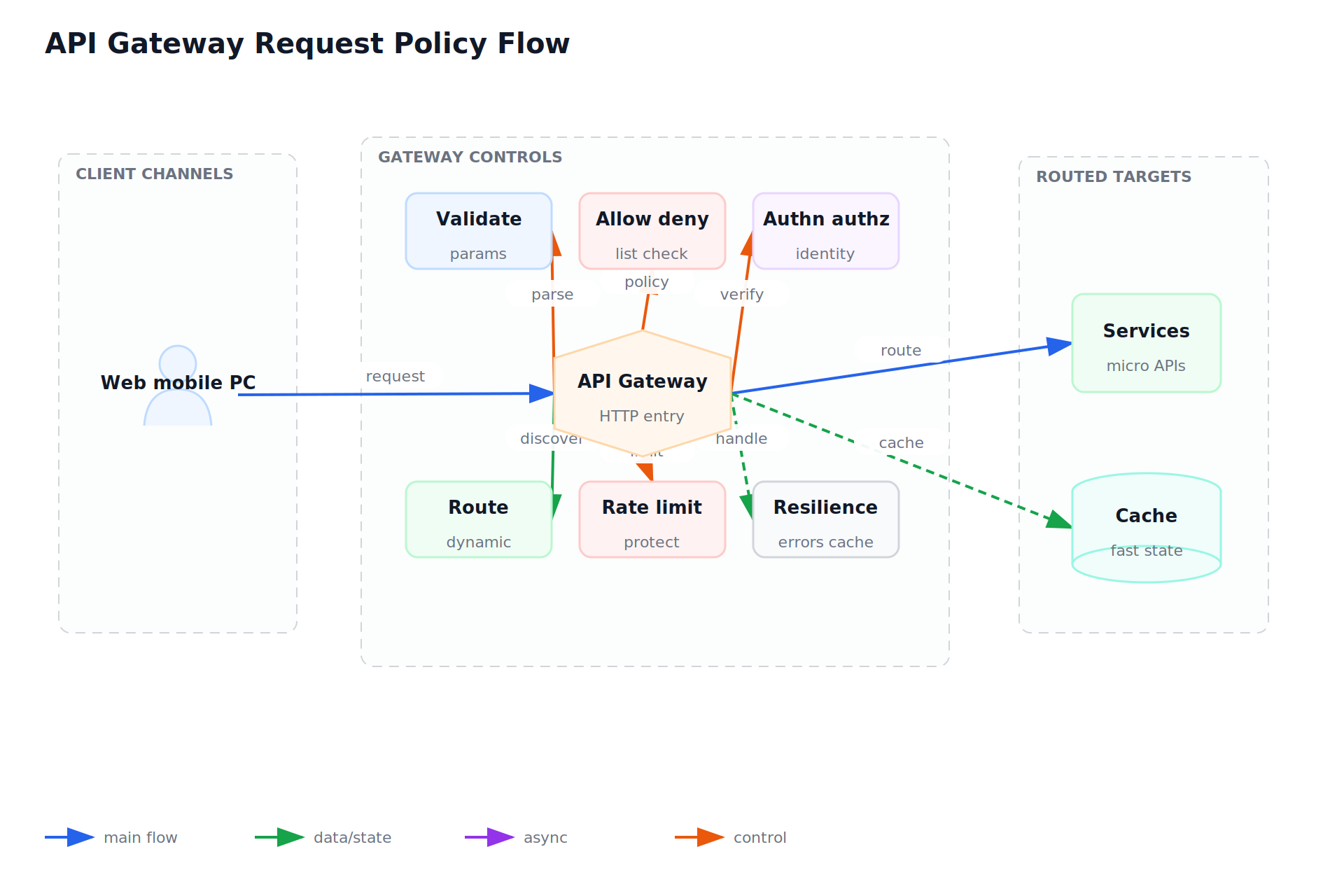
API Gateway Request Policy Flow
- source-page: p. 10
- batch: 01
- status: accepted
- reviewer-status: reviewed
- fidelity-score: 0.9
- spec: api-gateway-request-policy.json
- svg: api-gateway-request-policy.svg
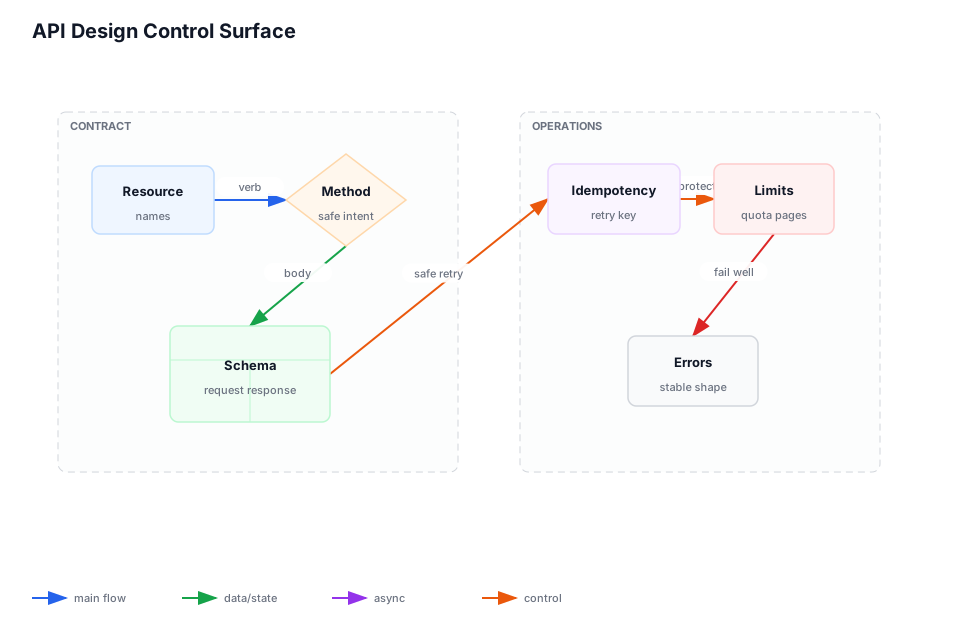
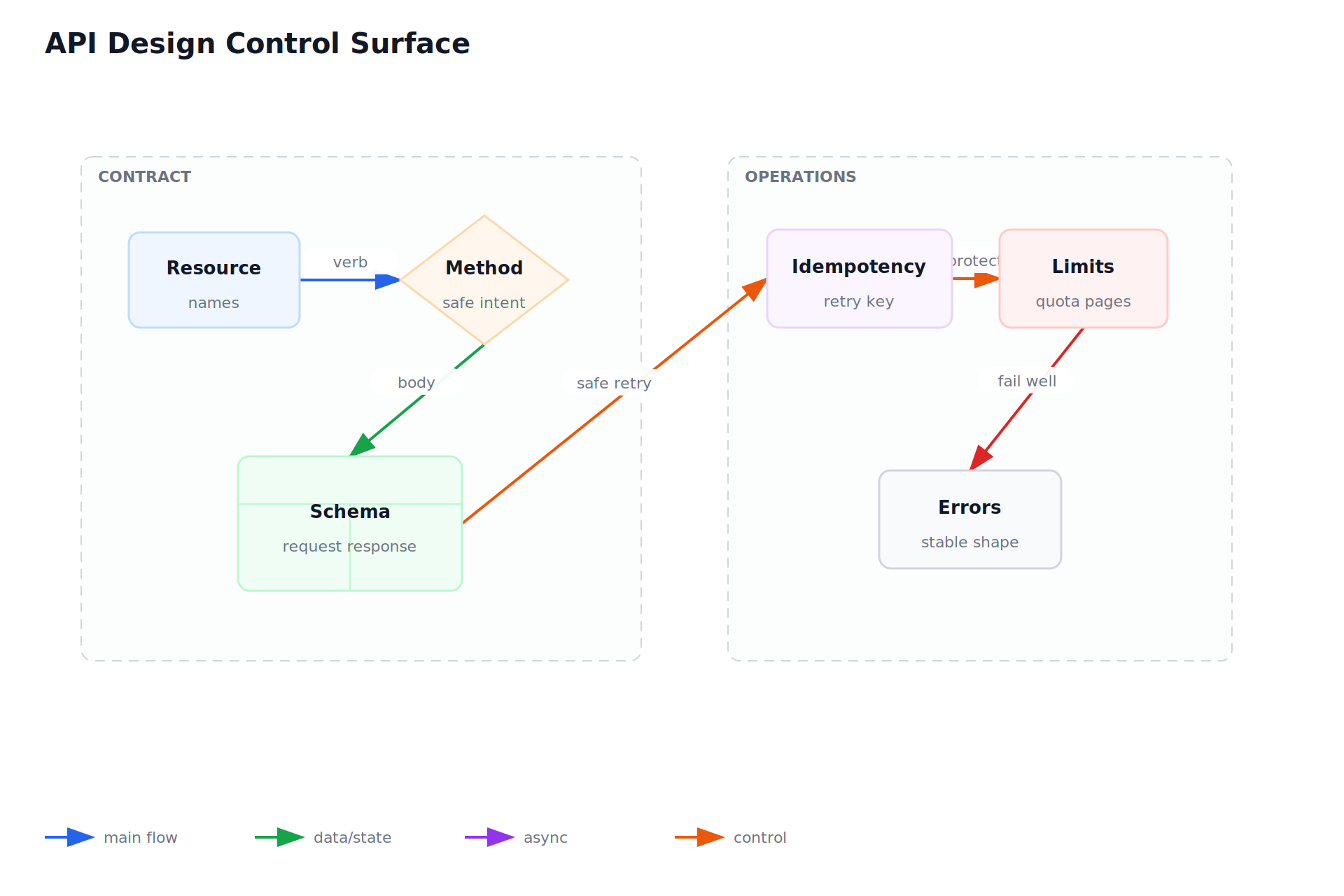
API Design Control Surface
- source-page: p. 270
- batch: 01
- status: accepted
- reviewer-status: reviewed
- fidelity-score: 0.9
- spec: api-design-controls.json
- svg: api-design-controls.svg
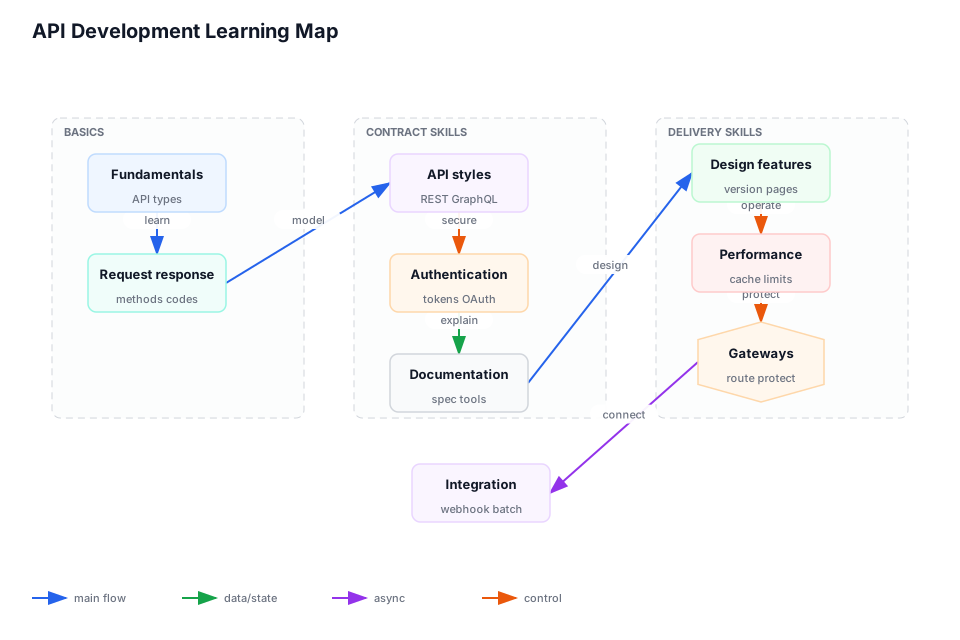
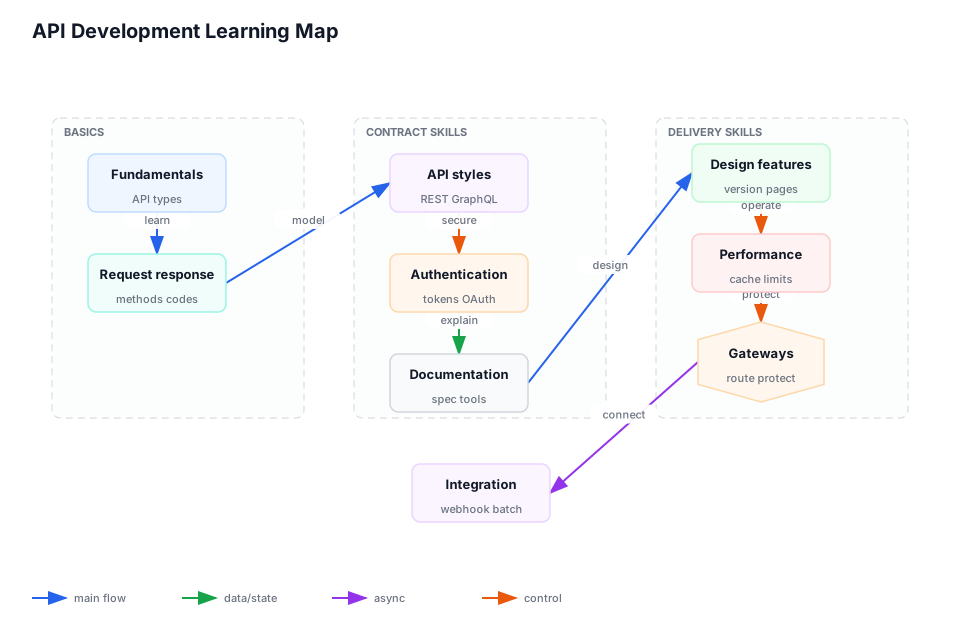
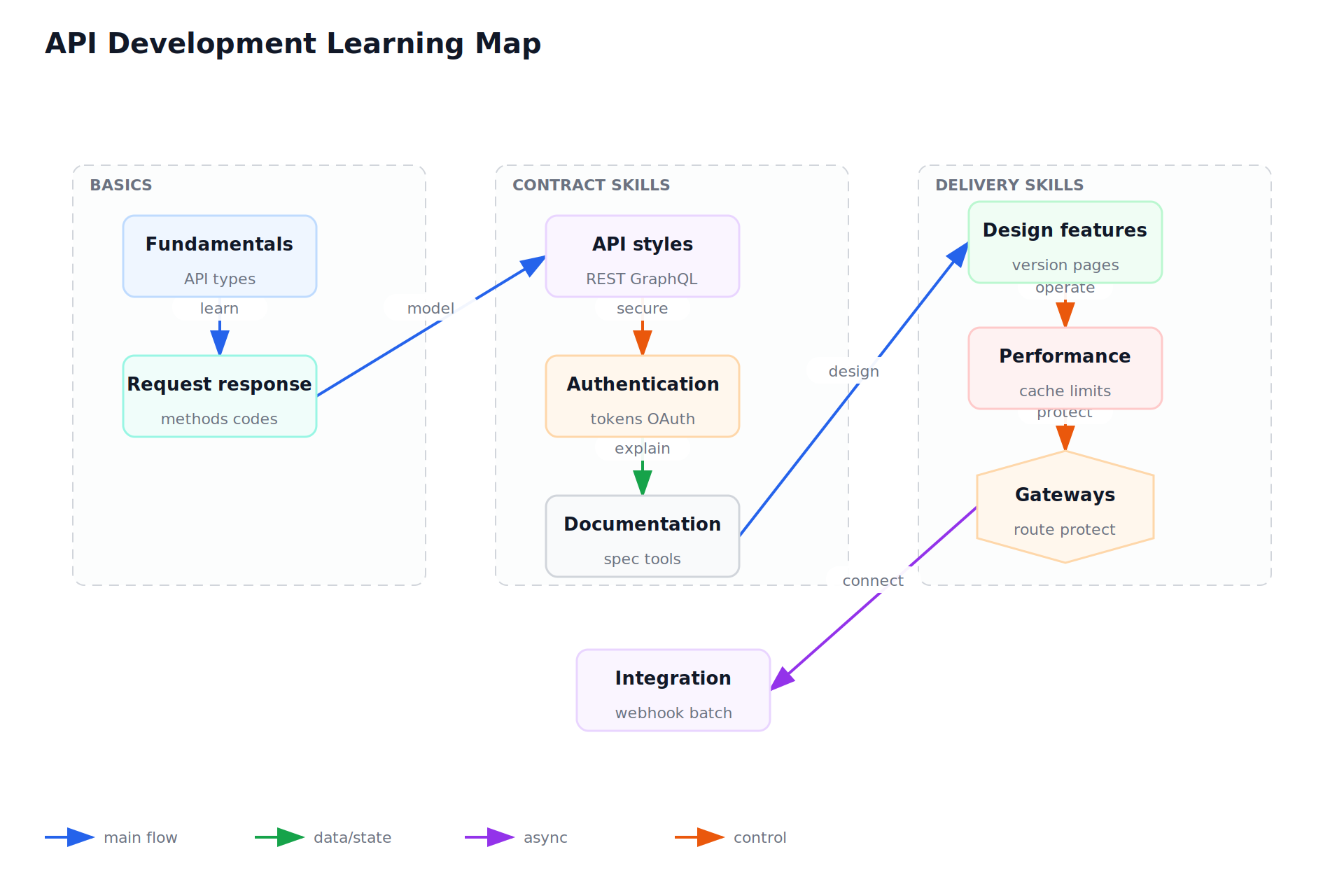
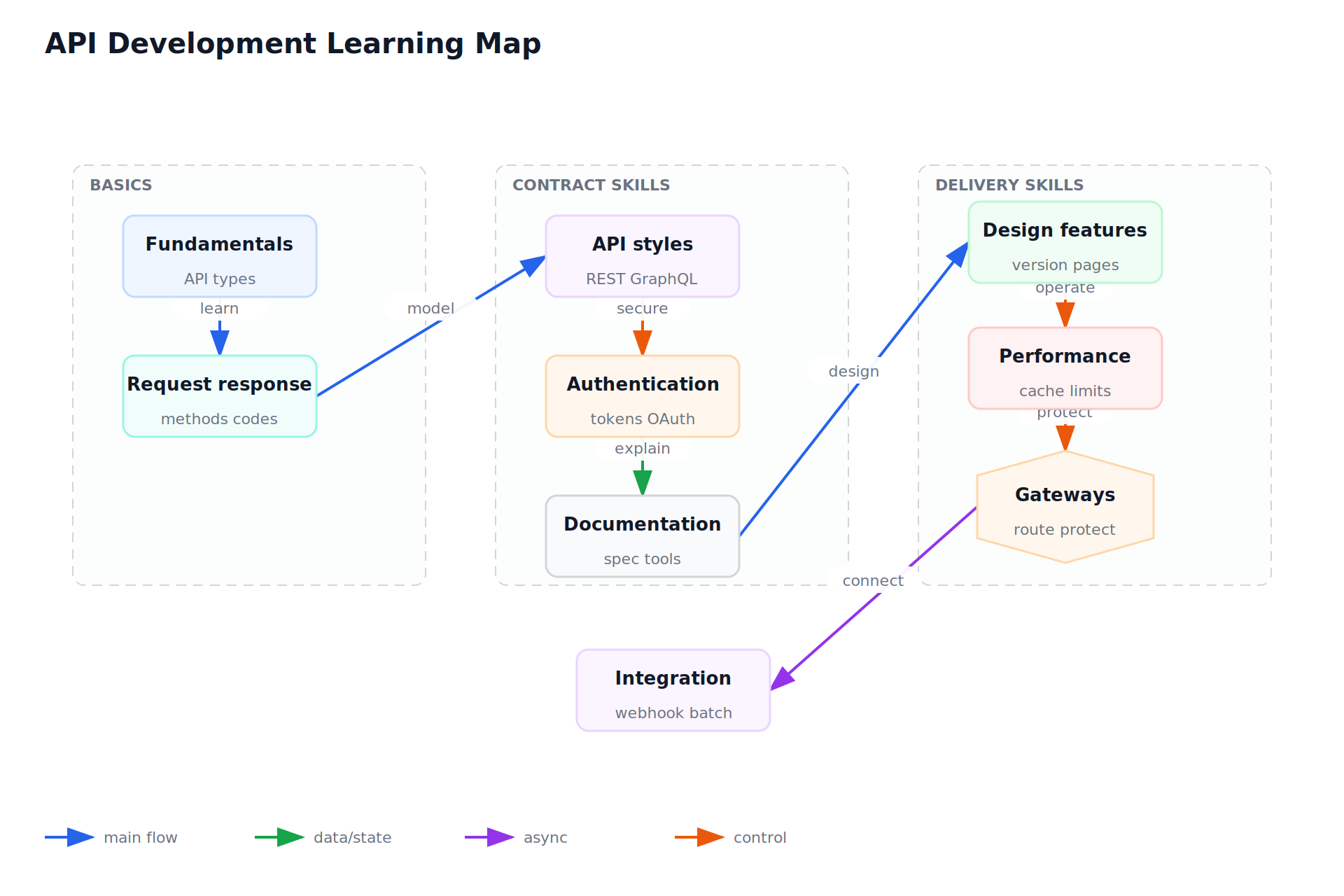
API Development Learning Map
- source-page: p. 116
- batch: 03
- status: accepted
- reviewer-status: reviewed
- fidelity-score: 0.9
- spec: bbg-p0116-api-gateways-and-contracts-api.json
- svg: bbg-p0116-api-gateways-and-contracts-api.svg
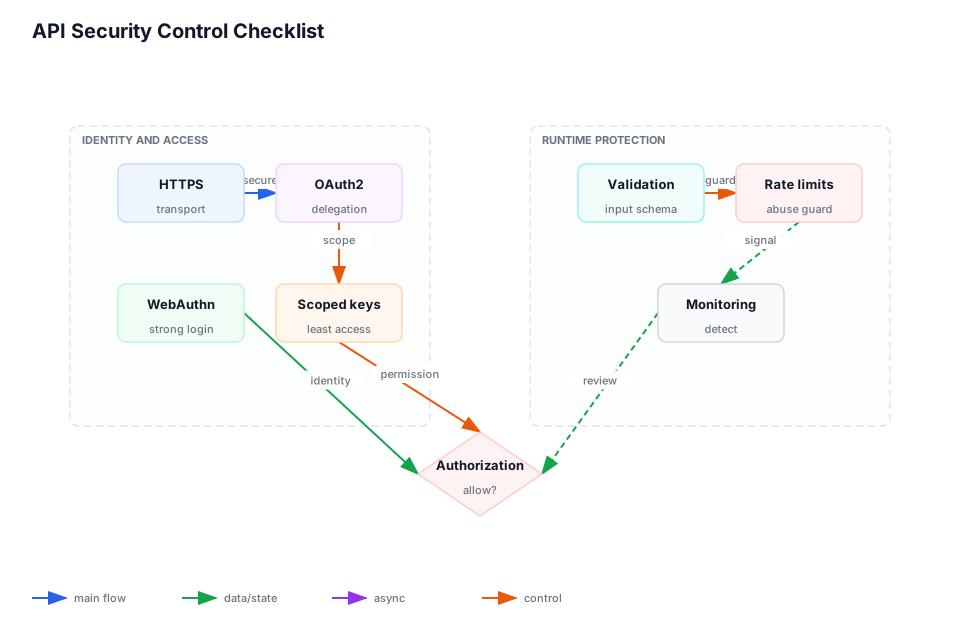
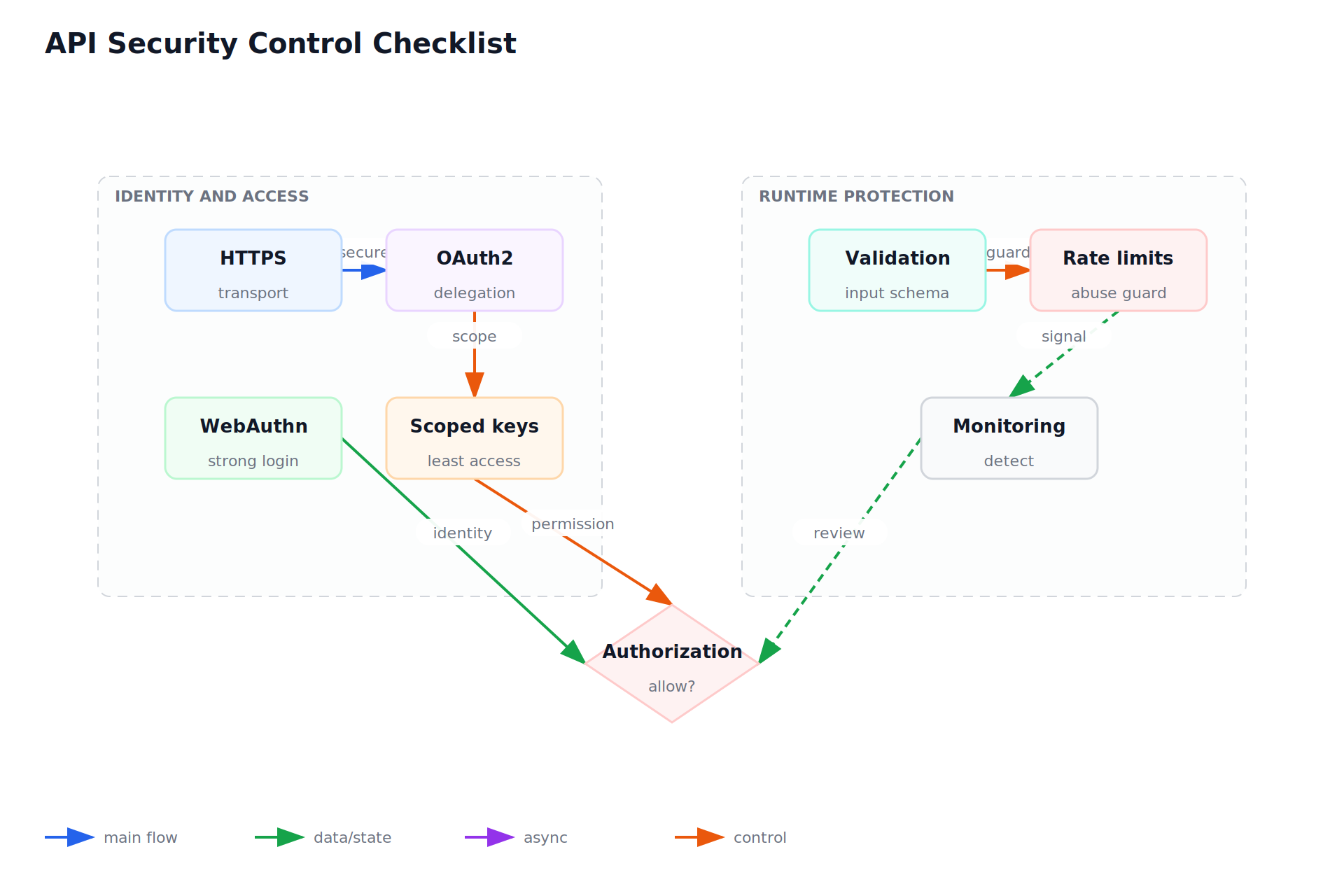
API Security Control Checklist
- source-page: p. 16
- batch: 04
- status: accepted
- reviewer-status: reviewed
- fidelity-score: 0.9
- spec: bbg-p0016-api-gateways-and-contracts-api.json
- svg: bbg-p0016-api-gateways-and-contracts-api.svg
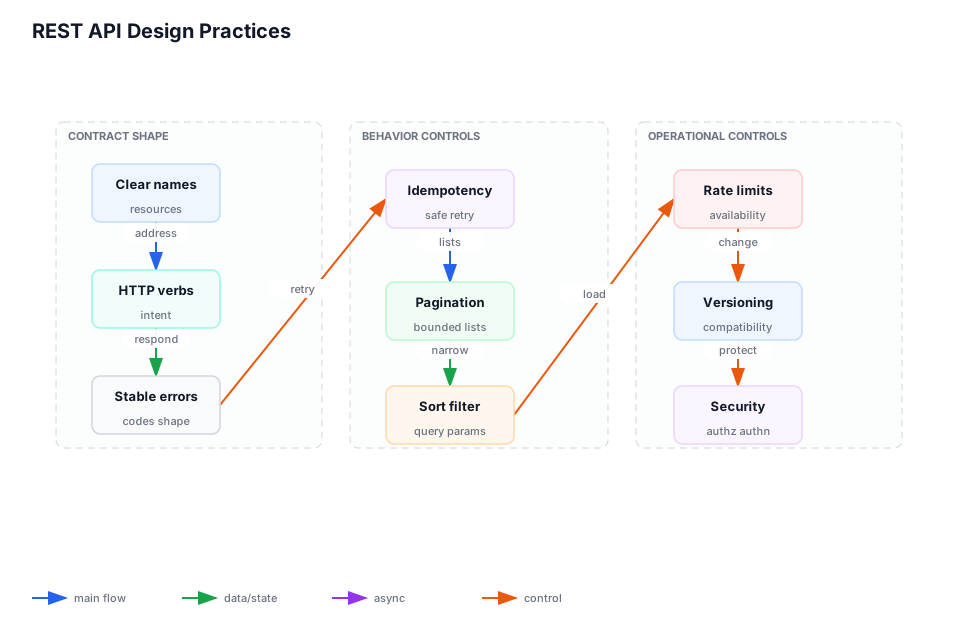
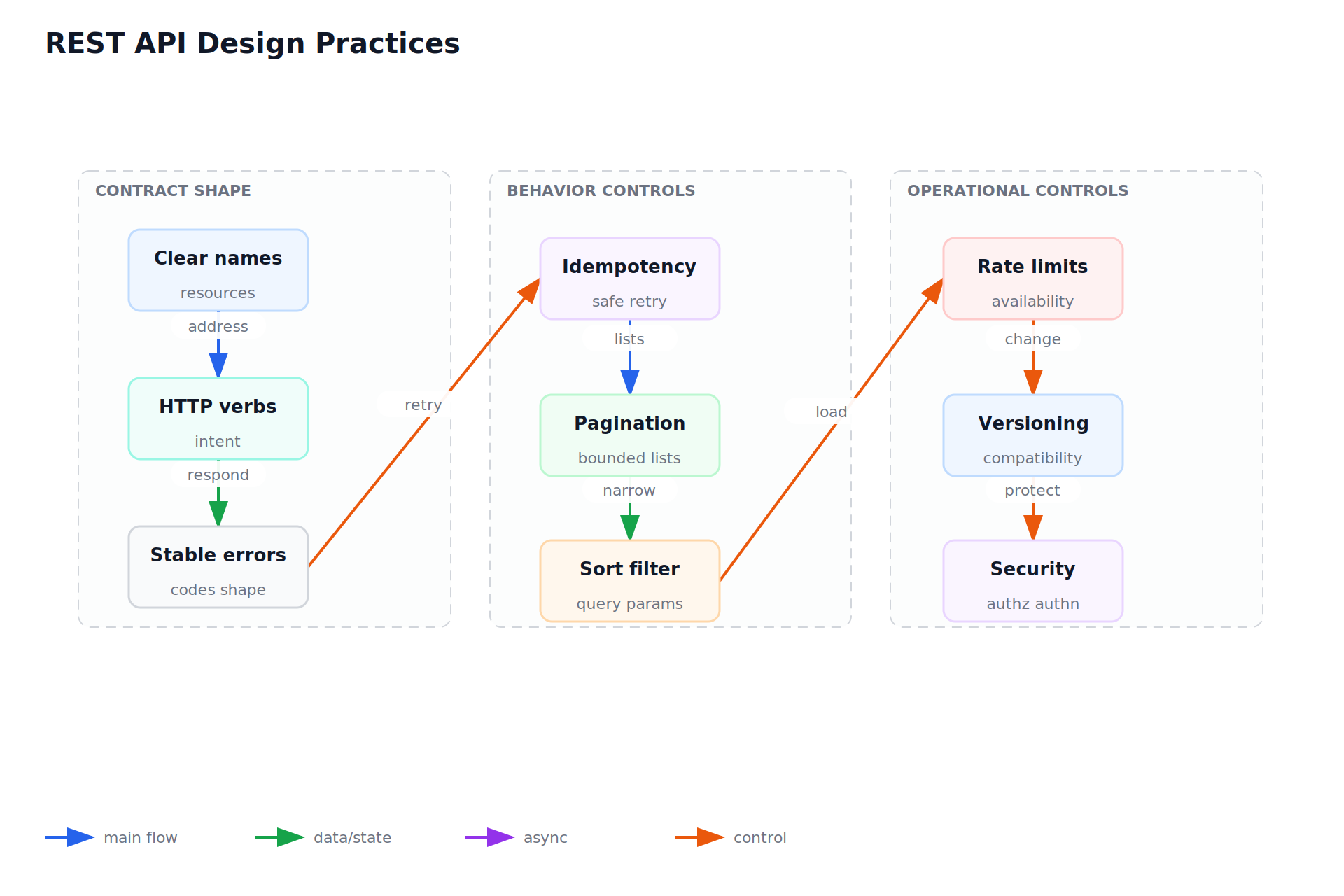
REST API Design Practices
- source-page: p. 143
- batch: 04
- status: accepted
- reviewer-status: reviewed
- fidelity-score: 0.9
- spec: bbg-p0143-api-gateways-and-contracts-api.json
- svg: bbg-p0143-api-gateways-and-contracts-api.svg
API Development Learning Map
- source-page: p. 30
- batch: 05
- status: accepted
- reviewer-status: reviewed
- fidelity-score: 0.9
- spec: bbg-p0030-architecture-source-map-architecture-source.json
- svg: bbg-p0030-architecture-source-map-architecture-source.svg
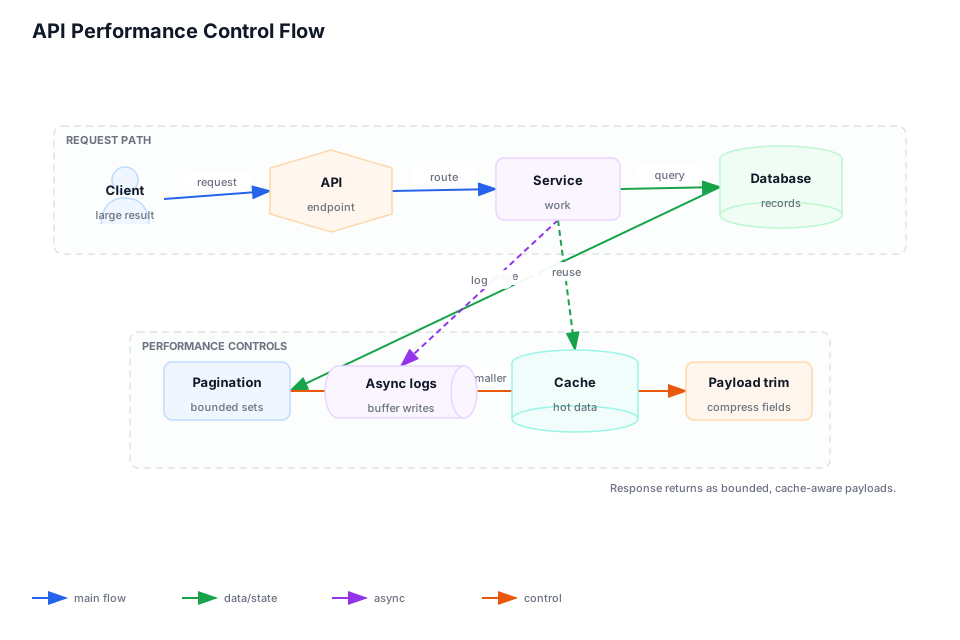
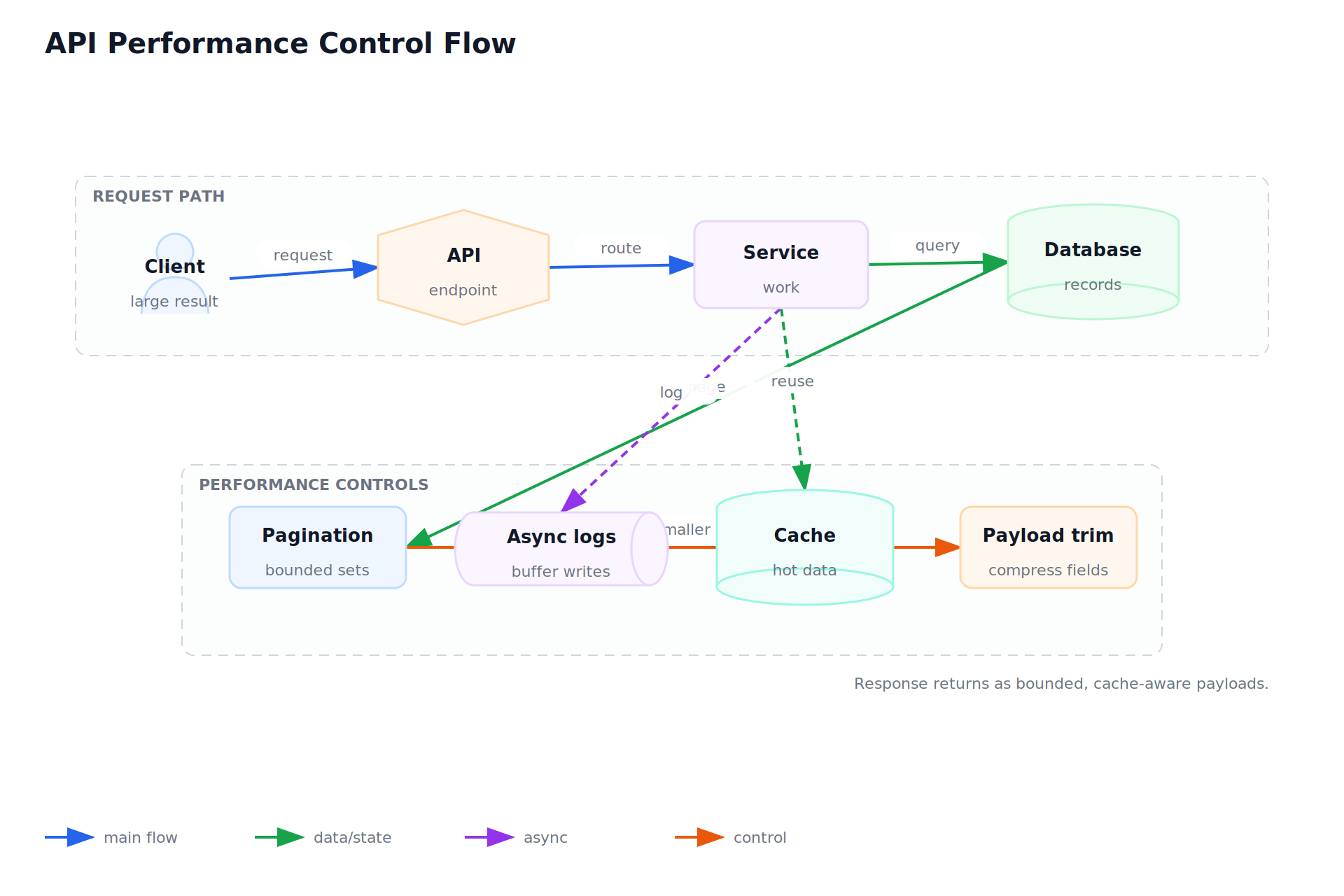
API Performance Control Flow
- source-page: p. 232
- batch: 05
- status: accepted
- reviewer-status: reviewed
- fidelity-score: 0.9
- spec: bbg-p0232-api-gateways-and-contracts-api.json
- svg: bbg-p0232-api-gateways-and-contracts-api.svg
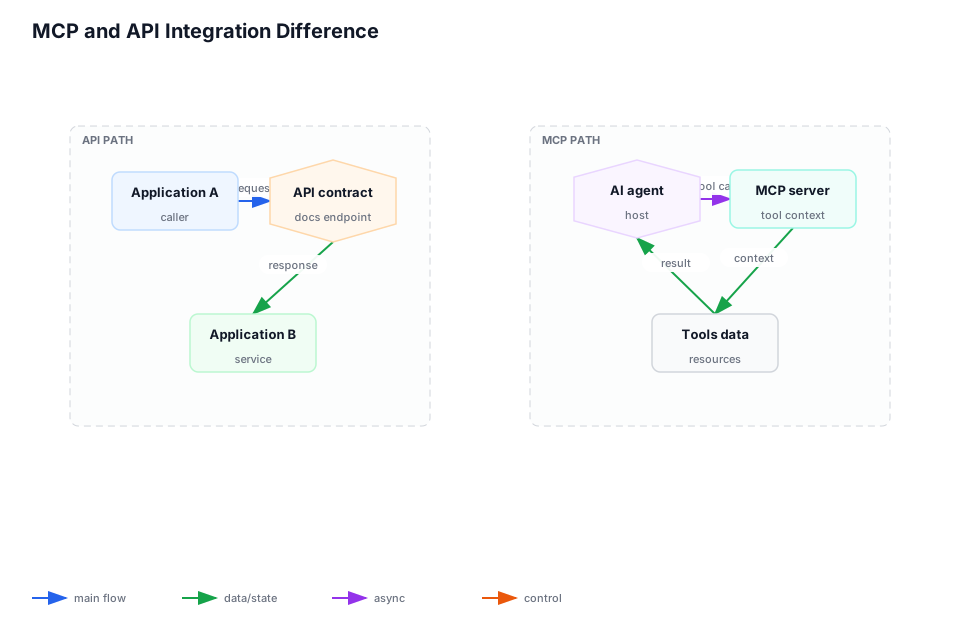
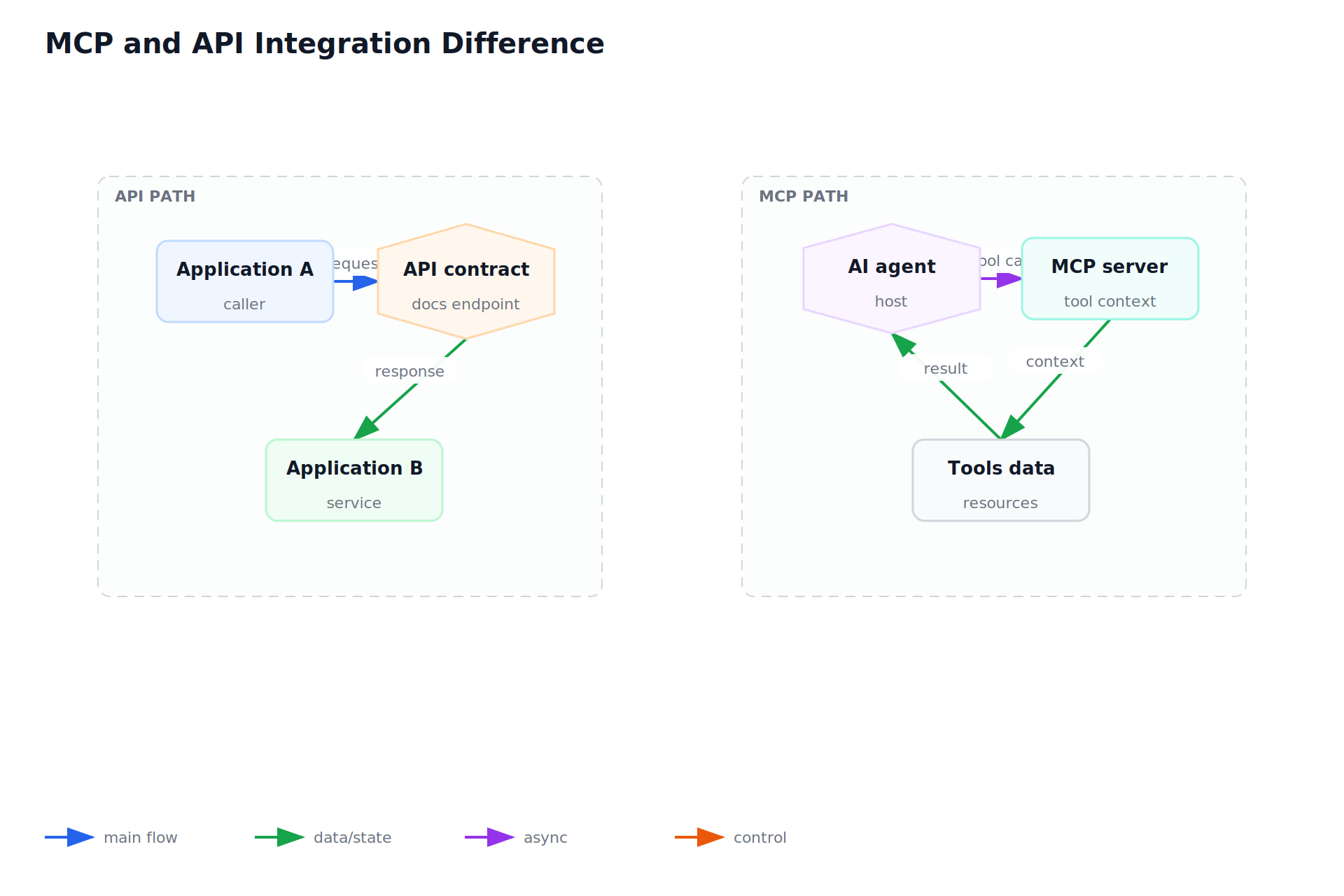
MCP and API Integration Difference
- source-page: p. 332
- batch: 08
- status: accepted
- reviewer-status: reviewed
- fidelity-score: 0.9
- spec: bbg-p0332-api-gateways-and-contracts-api.json
- svg: bbg-p0332-api-gateways-and-contracts-api.svg
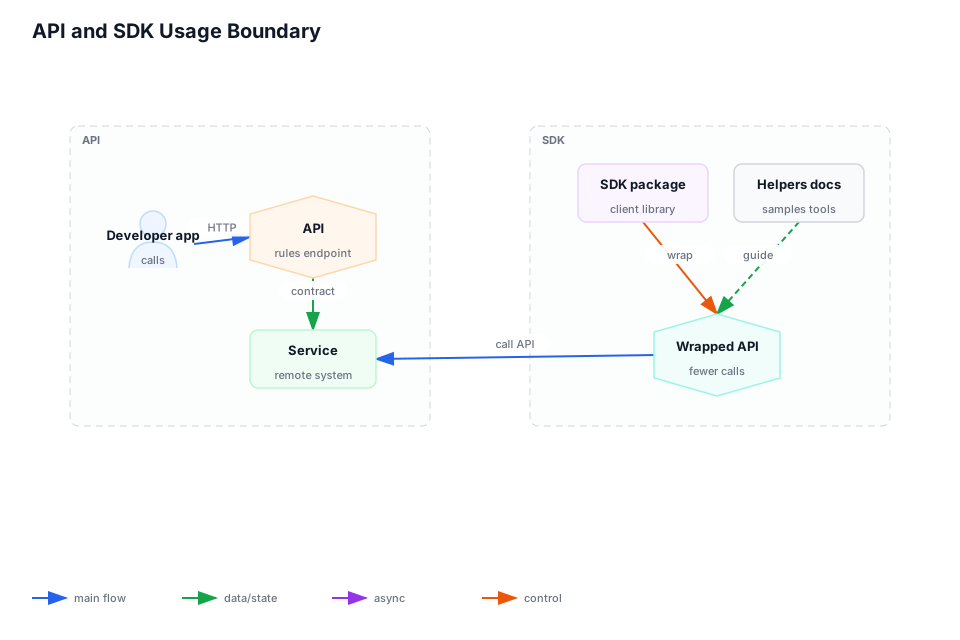
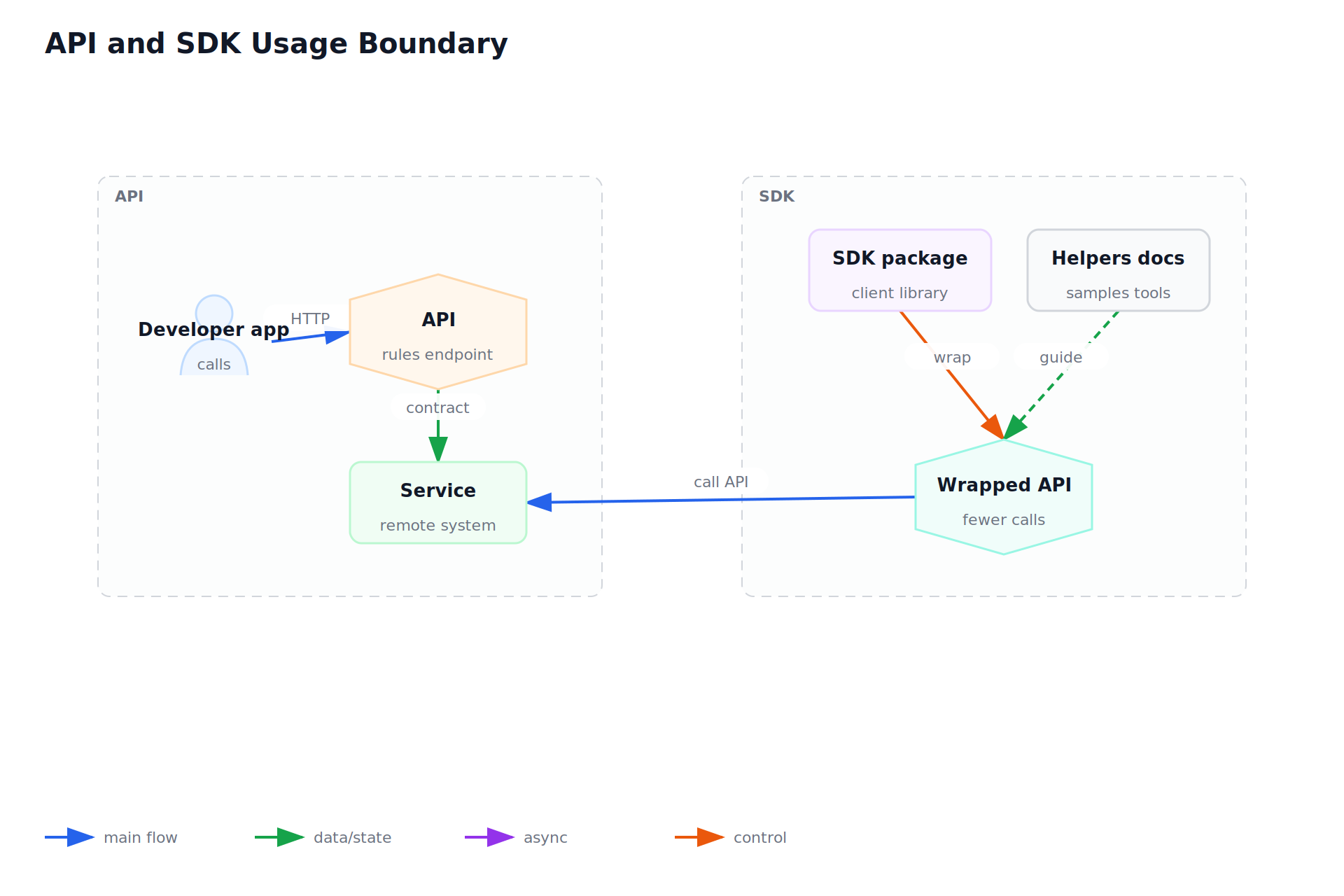
API and SDK Usage Boundary
- source-page: p. 339
- batch: 08
- status: accepted
- reviewer-status: reviewed
- fidelity-score: 0.9
- spec: bbg-p0339-api-gateways-and-contracts-api.json
- svg: bbg-p0339-api-gateways-and-contracts-api.svg
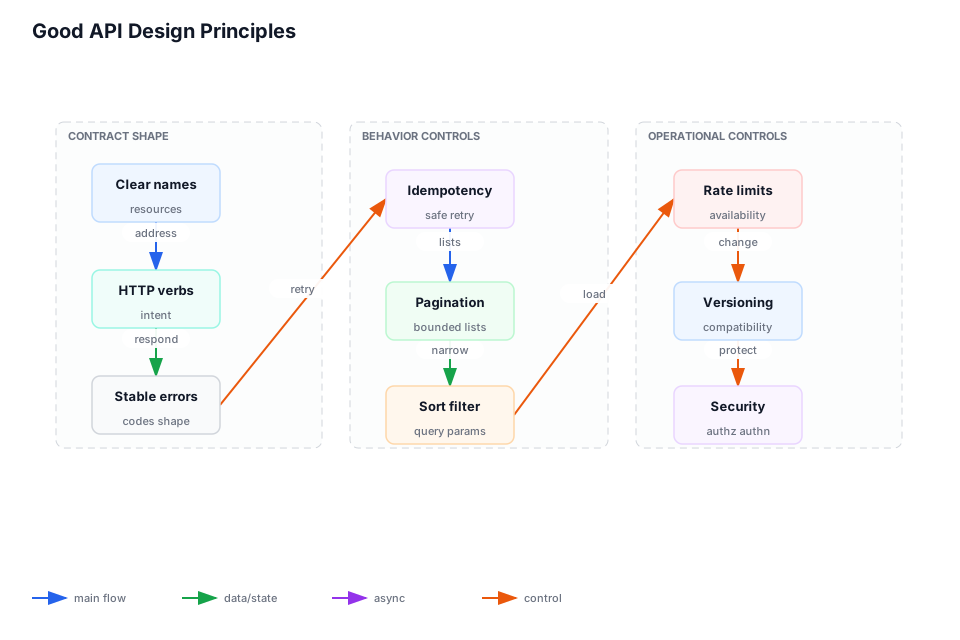
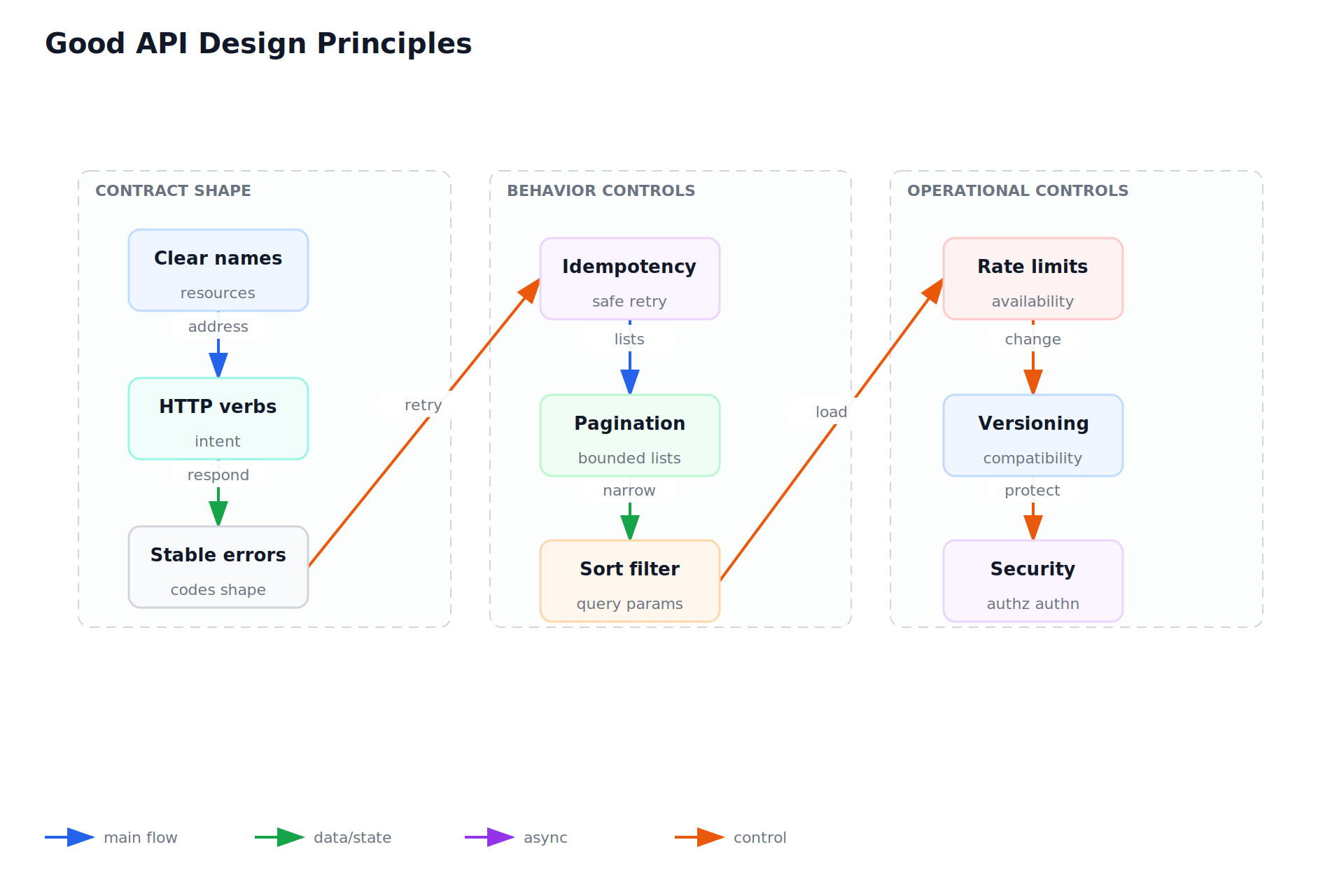
Good API Design Principles
- source-page: p. 380
- batch: 14
- status: accepted
- reviewer-status: reviewed
- fidelity-score: 0.9
- spec: bbg-p0380-api-gateways-and-contracts-api.json
- svg: bbg-p0380-api-gateways-and-contracts-api.svg
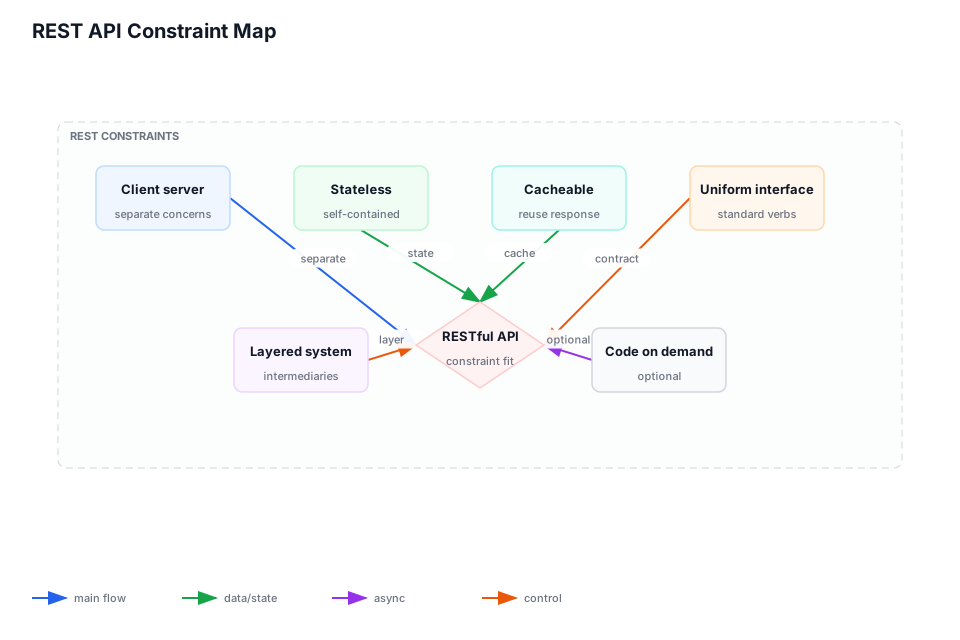
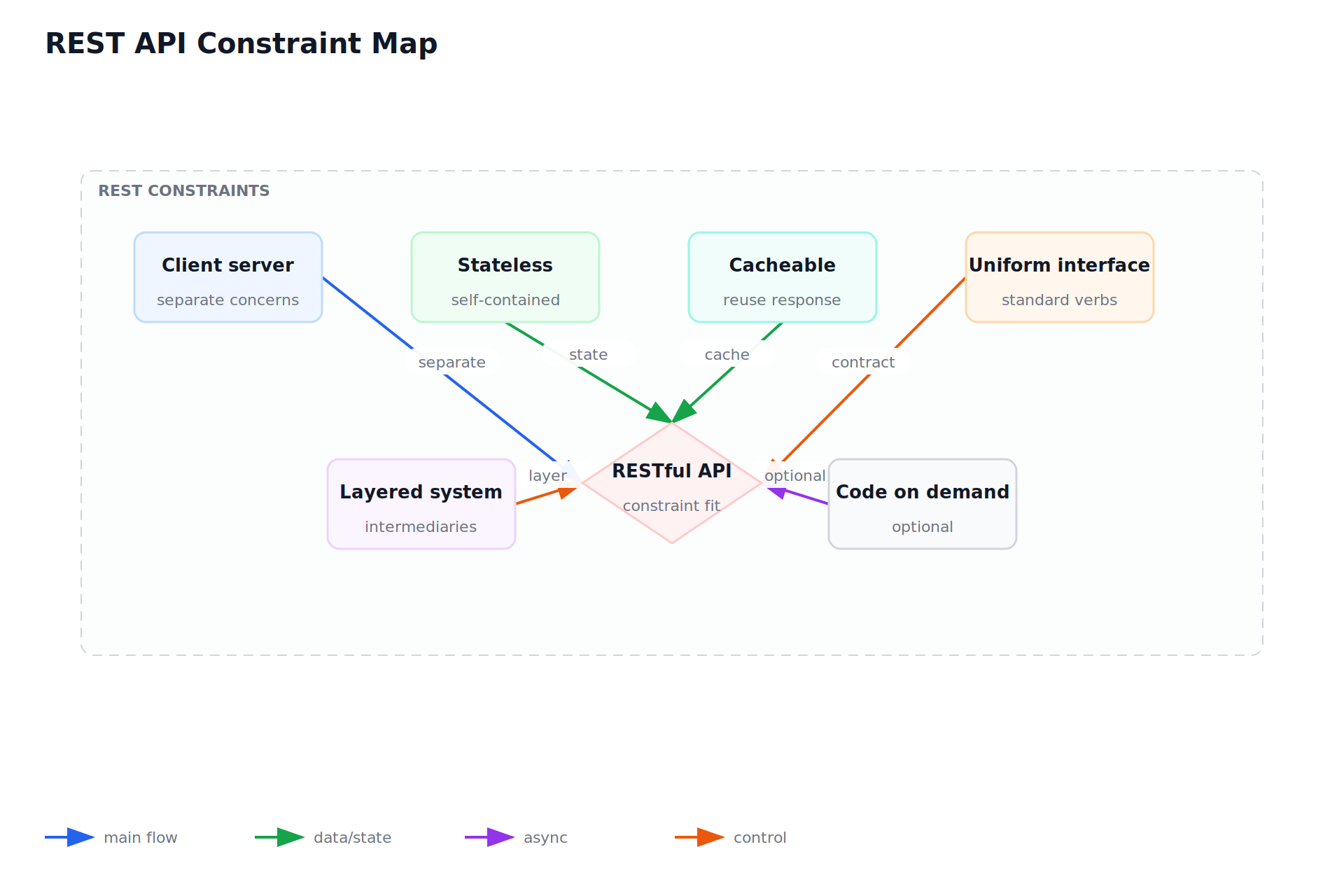
REST API Constraint Map
- source-page: p. 411
- batch: 16
- status: accepted
- reviewer-status: reviewed
- fidelity-score: 0.9
- spec: bbg-p0411-api-gateways-and-contracts-api.json
- svg: bbg-p0411-api-gateways-and-contracts-api.svg
Open Review Queue
- none
Reviewed Non-Signal Pages
- API Gateways And Contracts: API Gateway + Rate Limiting Map: source p. 135; batch 01; status non-signal/reviewed; ledger reason in visual-review-ledger.json
- API Gateways And Contracts: API Gateway + Rate Limiting Map: source p. 361; batch 01; status non-signal/reviewed; ledger reason in visual-review-ledger.json
- API Gateways And Contracts: API Gateway + Rate Limiting Map: source p. 11; batch 02; status non-signal/reviewed; ledger reason in visual-review-ledger.json
- API Gateways And Contracts: API Gateway + Rate Limiting Map: source p. 31; batch 02; status non-signal/reviewed; ledger reason in visual-review-ledger.json
- API Gateways And Contracts: OAuth + HTTP Map: source p. 65; batch 04; status non-signal/reviewed; ledger reason in visual-review-ledger.json
- API Gateways And Contracts: Rate Limiting + Authentication Map: source p. 271; batch 08; status non-signal/reviewed; ledger reason in visual-review-ledger.json
- API Gateways And Contracts: Stream Map: source p. 71; batch 09; status non-signal/reviewed; ledger reason in visual-review-ledger.json
Use When
- Two systems need a stable interface with clear inputs, outputs, errors, limits, and version behavior.
Avoid When
- Both sides change together and a function call is simpler.
Core Model
- An API is a contract boundary. Gateways centralize cross-cutting policy, but the contract still belongs to the product domain.
- Prefer explicit ownership over accidental coupling. Every boundary should say who owns correctness, cost, data, recovery, and change.
- Use corpus page pointers for inspection, and keep the chapter notes focused on reusable design decisions.
Implementation Guidance
- Specify schema, authentication, authorization, pagination, idempotency, rate limits, and deprecation rules together.
- Write the smallest useful design note: purpose, inputs, outputs, state, failure behavior, observability, and rollback.
- Choose the first implementation that can be tested against the real workflow without hiding a known production risk.
Tradeoffs
- A gateway reduces duplication, but too much business logic inside it creates a second application.
- Centralization reduces duplicated work but can become a bottleneck when every team needs exceptions.
- Specialized infrastructure helps at scale, but it must earn its operational cost.
Failure Modes
- Retries create duplicate side effects because the create path has no idempotency key.
- The diagram shows boxes but not ownership, retry behavior, data freshness, or user-visible failure.
- The system has no proof path for the highest-risk assumption.
Decision Checklist
- Add contract tests for the highest-risk request and the most common error response.
- Name the owner, source of truth, timeout, retry policy, and evidence that the path works.
- Add one regression check for the failure mode most likely to recur.
Neutral Automation Examples
- A document service exposes one create request and returns a job ID when rendering will outlive the HTTP timeout.
- A neutral internal automation starts with fixtures, then adds credentials, permissions, and production scheduling only after the boundary is tested.
- A customer-facing workflow keeps irreversible actions behind explicit approval until metrics show it is safe to automate further.